Summarize and analyze this article with:
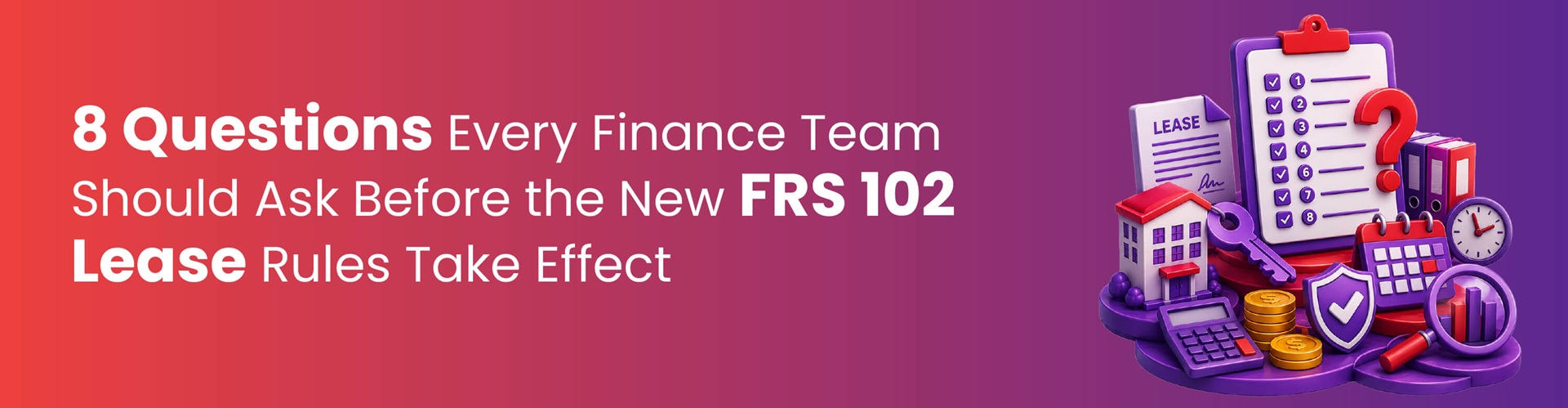
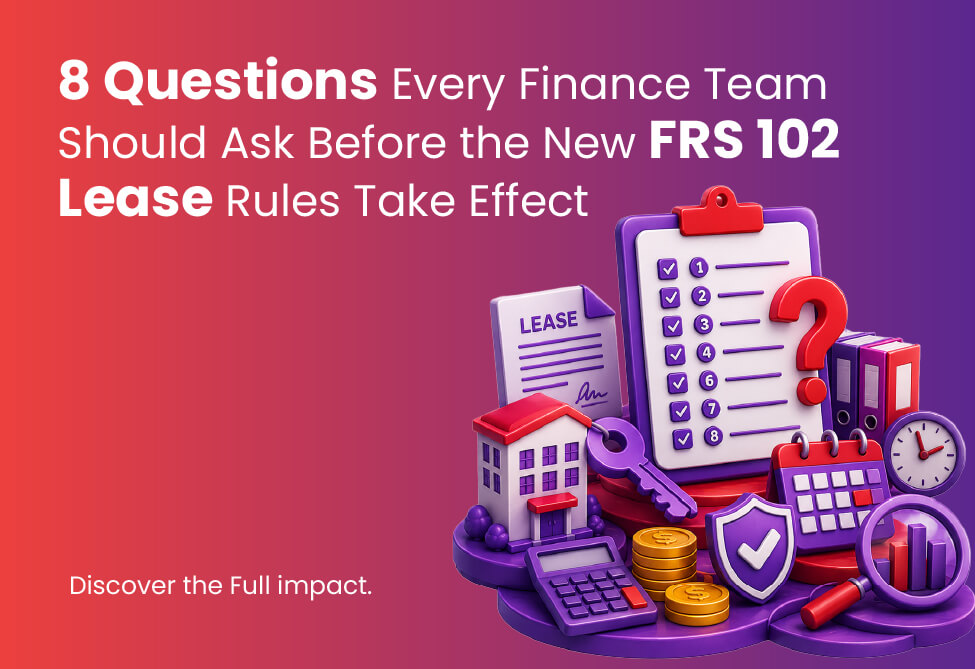
FRS 102 Lease Accounting: 8 Questions Every Finance Team Should Ask
August 25, 2026
IMS Decimal Updates, Outsourced Accounting and Finance Services
Is Your Business Truly Ready for the New FRS 102 Lease Accounting Requirements?
For many finance teams, the upcoming changes to FRS 102 lease accounting represent one of the most significant accounting updates in recent years.
While much of the discussion focuses on accounting for treatments and technical compliance, the bigger challenge often lies elsewhere in preparation.
Many organizations already have the information needed to comply with the updated requirements. The problem is that lease data is rarely stored in one place. Contracts may sit with procurement, property teams, HR, operations, IT, or individual departments. Without proper coordination, finance teams can spend weeks or even months trying to locate and validate information.
The good news?
You don’t need to begin with complex accounting calculations.
Instead, start by asking the right questions.
Below are eight practical questions every finance leader should answer before the new FRS 102 lease requirements become effective.
Why Readiness Matters More Than You Think
Preparing for lease accounting isn’t simply an accounting exercise.
It involves collaboration across multiple business functions including:
- Finance
- Procurement
- Facilities Management
- Legal
- IT
- Operations
- Human Resources
The earlier you understand your current position, the easier implementation becomes.
A structured readiness assessment helps you:
- Reduce last-minute surprises
- Identify missing lease information
- Understand potential reporting impacts
- Allocate responsibilities early
- Avoid unnecessary compliance risks
- Plan technology and process improvements
Think of this stage as building the foundation before making accounting entries.
Question 1: Do We Report Under FRS 102?
This may sound obvious, but it’s the most important starting point.
Not every UK business reports under the same accounting framework.
If your organization prepares financial statements under FRS 102, the updated lease accounting requirements are likely to affect your financial reporting.
Ask yourself:
- Which reporting framework do we currently use?
- Do all group entities report under FRS 102?
- Have we confirmed the effective implementation timeline?
Understanding your reporting framework determines whether these changes apply and helps define your implementation roadmap.
Question 2: Have We Identified All Our Operating Leases?
Many businesses underestimate how many leases they actually have.
Beyond office buildings, common examples include:
- Office premises
- Warehouses
- Company vehicles
- IT equipment
- Manufacturing machinery
- Retail units
- Storage facilities
- Photocopiers
- Medical or specialist equipment
Some organizations discover dozens or even hundreds of active lease arrangements during implementation.
A useful exercise is to ask every department to identify assets they regularly pay to use rather than their own.
You may uncover agreements finance wasn’t previously aware of.
Collections Inefficiency: Where Margin Goes Quietly
Collections is the activity that determines whether a factoring advance converts to revenue or becomes bad debt exposure. In a well-managed factoring operation, collections cadence is precise: payment reminders are sent on schedule, aging accounts are escalated by protocol, and debtor communication is documented.
In a manual operation, that cadence depends on individual staff diligence, which varies by person, by caseload, and by the number of competing priorities on any given day.
A recent Dun & Bradstreet study on US accounts receivable benchmarking found that in Q1 2025, seventeen of 209 industry categories had more than 10% of receivables aged beyond 91 days. For factoring companies that have advanced against those receivables, aged debt above that threshold is a direct margin erosion event. The relationship between collections discipline and factoring profitability is not theoretical. It is transactional and immediate.
Outsourcing collections to a structured credit control team helps improve consistency by:
- Applying documented escalation protocols
- Maintaining regular debtor communication
- Reporting against defined ageing thresholds
The alternative is relying on internal staff who are also managing client relationships, compliance responsibilities, and new applications. Over time, inconsistent follow-up increases bad debt exposure.
Question 3: Are All Lease Agreements Easily Available?
Knowing a lease exists isn’t enough.
You also need access to supporting documentation.
Ask:
- Are contracts stored centrally?
- Are amendments and renewals included?
- Are signed agreements available?
- Can we identify commencement dates and lease terms?
Many organizations discover that contracts are spread across:
- Shared drives
- Email inboxes
- Procurement folders
- Paper files
- Individual employees
Gathering documents early prevents unnecessary delays later.
Question 4: Have We Considered Embedded Leases?
One of the most overlooked areas is embedded leases.
Not every lease is labelled as a lease.
Some service agreements may contain the right to control the use of a specific asset, meaning they may require further assessment under FRS 102.
Examples might include:
- Outsourced warehousing
- Dedicated logistics vehicles
- Equipment provided within service contracts
- Exclusive use of machinery
- Certain technology hosting arrangements
Reviewing significant supplier contracts can help identify agreements that deserve closer attention.
Ignoring embedded leases can result in incomplete reporting.
Question 5: Is Our Accounting System Ready?
Lease accounting often introduces new data requirements.
Ask yourself whether your current systems can support:
- Lease tracking
- Payment schedules
- Renewal dates
- Reporting requirements
- Journal entries
- Audit documentation
Some organizations manage smaller lease portfolios using existing accounting software and structured spreadsheets.
Others may require dedicated lease accounting software.
The right solution depends on:
• Number of leases
• Complexity
• Reporting requirements
• Internal resources
Technology should support your process not create additional work
Question 6: Have We Assessed the Financial Statement Impact?
One of the biggest reasons to begin early is understanding how the new requirements may affect financial reporting.
Finance leaders should consider questions such as:
- Could the balance sheet change?
- Will key financial ratios be affected?
- How might lenders or stakeholders interpret these changes?
- Are management reports likely to change?
- Will budgeting or forecasting require updates?
Performing an early impact assessment allows management to prepare discussions with auditors, boards, investors, and lenders.
Understanding the numbers before implementation helps avoid surprises at year-end.
Question 7: Who Owns the Implementation Internally?
Successful implementation is rarely owned by finances alone.
Instead, organizations benefit from assigning clear responsibilities across departments.
Consider appointing:
Finance
- Accounting assessment
- Financial reporting
- Policy decisions
Procurement
- Contract identification
- Supplier information
Legal
- Contract interpretation
- Agreement verification
Facilities & Operations
- Property and equipment information
IT
- Software implementation
- Data management
Having a designated project owner improves communication, accountability, and project timelines.
Without ownership, implementation can quickly lose momentum.
Do We Need External Support?

Common Challenges Businesses Face
Across many organizations, similar issues appear during readiness assessments.
These include:
- Lease information spread across departments
- Missing or incomplete agreements
- Limited visibility over renewals
- Inconsistent lease records
- Unclear ownership
- Manual spreadsheets with outdated information
- Lack of implementation planning
Recognizing these challenges early allows businesses to address them before reporting deadlines approach.

Don’t Wait Until Year-End
Many organizations assume lease accounting implementation begins when preparing financial statements.
Successful implementation starts much earlier.
The businesses that experience the smoothest transition are usually those that begin with a structured readiness review.
Rather than asking, “How do we calculate lease accounting?”
Start by asking,
“Are we actually ready?”
That single question often uncovers the work that matters most.
Download the FRS 102 Lease Accounting Readiness Checklist
Before beginning implementation, assess where your organization stands.
Download our FRS 102 Lease Accounting Readiness Checklist – 2026 to evaluate:
- Whether FRS 102 applies to your business
- Lease identification progress
- Contract availability
- Embedded lease review
- Software readiness
- Financial reporting impacts
- Internal ownership
- External support requirements
A simple assessment today can save significant time, effort, and compliance challenges later.
Conclusion
The updated FRS 102 lease accounting requirements are about more than accounting entries they’re about having the right information, processes, and people in place before implementation begins.
By answering these eight practical questions, finance teams can identify gaps early, improve project planning, and approach the transition with greater confidence.
Preparation doesn’t have to be overwhelming. It starts with understanding where you are today and taking structured steps towards compliance.
Whether your organization manages a handful of leases or a large property portfolio, a readiness assessment is one of the most valuable investments you can make before the new rules take effect.
Frequently Asked Questions (FAQs)
1. Who will be affected by the new FRS 102 lease accounting requirements?
Businesses preparing financial statements under FRS 102 should assess whether the updated lease accounting requirements apply to them. The impact will depend on the nature and volume of their lease arrangements.
2. What is an embedded lease?
An embedded lease exists when a service contract gives a business the right to control the use of a specific asset, even if the agreement is not described as a lease. These contracts should be reviewed as part of your readiness assessment.
3. Do small businesses need dedicated lease accounting software?
Not always. Businesses with a small number of leases may be able to manage the process using existing accounting systems and structured records. Larger or more complex organizations may benefit from specialized lease accounting software.
4. Why should finance teams start preparing early?
Early preparation provides time to identify leases, gather contracts, assess reporting impacts, assign responsibilities, and resolve data issues before reporting deadlines.
5. What should a lease accounting readiness assessment include?
A readiness assessment should review your reporting framework, lease inventory, contract documentation, embedded leases, accounting systems, financial statement impacts, project ownership, and any need for external support.