Summarize and analyze this article with:
Improving Vendor Trust Through Structured AP Processes in US Care Homes
January 19, 2026
IMS Decimal Updates, Outsourced Accounting and Finance Services
In US care homes, vendor trust functions as an operational currency that directly supports resident care. Medical suppliers, food service partners, maintenance providers, and staffing agencies – all depend on timely and accurate payments to deliver uninterrupted services. When payments are delayed, inconsistent, or difficult to reconcile, trust erodes, leading to service disruptions, tighter vendor terms, and increased operational pressure.
Accounts payable maturity plays a decisive role in preventing these outcomes. Structured Account Payable Processes introduce discipline, visibility, and predictability into vendor payments. They move accounts payable from a reactive back-office function to a core operational control, reinforcing continuity of care while safeguarding the organization’s financial credibility.
Why Structured AP Processes Matter More Than Ever in 2026?
In 2026, accounts payable in US care homes is under sharper scrutiny than at any point in the past decade. Care home AP teams are now operating in an environment shaped by shortened payment cycles, digitally enforced compliance, and vendors that assess financial reliability before accepting contracts. In many cases, vendors are using payment behaviour as a proxy for operational stability, quietly deprioritising facilities that lack structured payables governance.
At the same time, care homes are managing increasingly complex invoice ecosystems, multi-location purchasing, agency staffing surges, emergency procurement, and layered approval hierarchies. Without structured AP workflows, these variables amplify risk rather than scale efficiency.
In 2026, Account Payable processes are less about transaction processing and more about institutional readiness, demonstrating that financial operations can withstand scrutiny, adapt to volatility, and support uninterrupted care delivery.
Accounting and Bookkeeping Services as the Foundation of AP Discipline
Effective accounts payable begins with strong bookkeeping and accounting services. Without standardized charts of accounts, consistent invoice coding, and reliable reconciliation practices, AP teams operate in a constant state of correction rather than control.
Care homes process high volumes of recurring and non-recurring vendor invoices. Fragmented financial practices increase the likelihood of misclassification, approval delays, and payment errors. Structured and aligned AP processes impose uniformity: invoices follow defined workflows, approvals are role-based, and every transaction is auditable.
For vendors, this discipline translates into confidence as fewer errors mean fewer disputes and clear payment timelines reduce uncertainty. Over time, trust is reinforced not through assurances, but through consistent outcomes.
Insights from bookkeeping for aged care businesses further show that maintaining consistent financial records tailored to care home operations not only improves transaction accuracy but also helps anticipate cash flow needs and vendor commitments.
Bookkeeping and Accounting Practices That Reduce Payment Friction
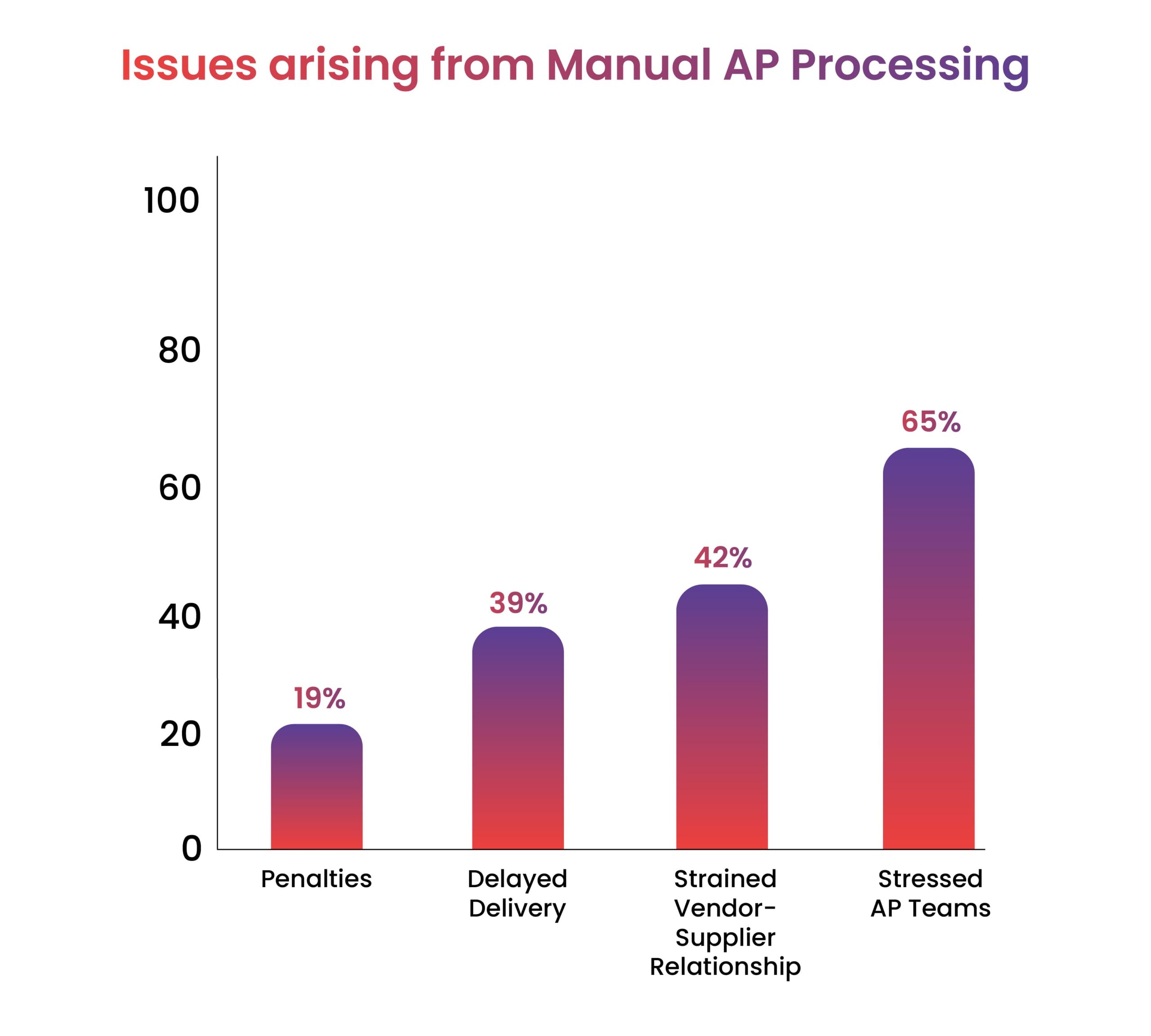
Payment friction is rarely driven by complex failures; it more often stems from basic breakdowns such as missing purchase order references, duplicate invoices, unclear approval paths, or undocumented exceptions that accumulate over time.
Disciplined accounting and bookkeeping practices address these issues in a structured and systematic manner, establishing three-way matching as a standard control, formalizing exception handling, and enforcing clear, predictable approval timelines.
This level of operational clarity delivers direct benefits to vendors. As reliability becomes consistent, vendors are more inclined to prioritize service, extend favourable terms, and commit to longer-term partnerships with care homes
Outsourced Accounting for Scalable and Compliant AP Operations
As care home organizations expand across multiple facilities or states, accounts payable complexity increases sharply. Processes that functioned adequately at a single location often struggle to scale. Regulatory oversight intensifies, and inconsistencies become more visible during audits and vendor reviews.
Outsourced accounting services introduce scalability without sacrificing control. Structured AP workflows are applied consistently across locations, ensuring uniform execution regardless of facility size or geography.
For vendors, the experience remains consistent as payment practices do not vary by location. Resultantly, reliability becomes an organizational attribute, not a facility-level exception.
This approach is particularly relevant for care homes operating across multiple facilities, where healthcare-specific accounting expertise supports both regulatory compliance and operational consistency.
When to Outsource Accounting Services to Strengthen Vendor Relationships?
Outsourcing accounting services is often viewed as a corrective measure, introduced after vendor relationships have already been strained. In practice, the most effective use of outsourcing is preventive.
Key indicators include rising invoice volumes, increasing manual interventions, frequent payment escalations, and limited visibility into outstanding liabilities. When internal teams are stretched thin, AP execution becomes dependent on individual availability rather than process strength.
Outsourcing replaces operational variability with service-level accountability by introducing clearly defined controls and expectations. Payment cycles are governed by formal SLAs, escalations follow documented resolution paths, and vendors engage with a system built for consistency rather than individual workarounds. This structural reliability reinforces confidence and strengthens vendor trust over time.
Best practices outlined in how outsourced accounting elevates financial compliance for care homes highlight how structured external support reinforces regulatory adherence and strengthens internal financial controls across multi-facility networks.
Why Outsourced Accounting Firms Bring Predictability to AP Workflows?
Outsourced accounting companies operate on repeatable, process-driven models that prioritize consistency and control. Their value extends beyond cost efficiency to procedural rigor, where segregation of duties reduces fraud risk, standardized approval matrices prevent bottlenecks, and automated validations identify discrepancies before payments are released.
Technology reinforces this rigor by improving visibility and communication across the AP lifecycle. Real-time dashboards provide clear insight into invoice status, aging, and cash commitments, while vendors receive accurate remittance details and more consistent updates.
As a result, predictability becomes the defining characteristic of AP operations, allowing vendors to plan with confidence, helping care homes avoid last-minute cash pressures, and stabilizing financial relationships through dependable execution.
Outsourced Bookkeeping Services and the Shift from Reactive to Proactive AP
Outsourced bookkeeping firms play a critical role in strengthening AP maturity by enabling a shift from reactive to proactive management. Reactive AP functions tend to address issues only after they surface, including late invoices, vendor complaints, or urgent escalations, while proactive AP prevents these issues through foresight, standardized processes, and structured financial data.
By maintaining timely and accurate records, outsourced bookkeeping improves cash flow visibility and forecasting accuracy. Payment schedules align more closely with revenue cycles, reducing the likelihood of missed or delayed payments and supporting more disciplined cash management.
Industry specialists such as IMS Decimal bring additional depth to this approach by combining healthcare accounting expertise with process-led execution. With experience in supporting care homes across complex operational environments, we reinforce proactive AP practices that prioritize accuracy, transparency, and consistency. This level of clarity strengthens vendor confidence even when exceptions occur, making proactive AP management a strategic advantage in environments where vendor reliability directly supports resident care.
IMS Decimal: Trust Through AP Excellence
Vendor trust in US care homes is built through consistent execution rather than negotiation, and structured, automated AP processes provide the framework that makes this execution disciplined, transparent, and repeatable.
By strengthening accounting and bookkeeping foundations, adopting accounts payable automation, and leveraging outsourced accounting and bookkeeping services where appropriate, care homes can elevate accounts payable from a support function to a strategic asset.
Experienced industry partners such as IMS Decimal contribute to this maturity by applying healthcare-focused accounting & financial back-office expertise and process-led execution across complex care environments. Over time, such AP maturity delivers more than financial efficiency, creating a durable operational advantage defined by reliability, consistency, and sustained trust.